
Five Great Dinners in Tenerife
How letter grades, nearby alternatives, and authenticity flags beat 4.5 stars in a tourist area.
We just got back from five nights in Tenerife with the family. Five nights means five dinners, and in a place you don't know, that's five chances to either eat well or waste an evening at a restaurant that exists purely because it's next to a hotel (or worse, inside a hotel!).
If you've been to Tenerife (or anywhere on the Canary Islands, or the Costa del Sol, or most Mediterranean resort towns), you know the pattern. There's a strip. The strip has 40 restaurants. Every single one has a host standing outside with a laminated menu. They all have 4.5 stars on Google. They all serve pizza, paella, and "fresh fish." Some of them are great. Most of them are fine. A few of them are actively bad. But the ratings won't tell you which is which, because 4.5 stars is the cost of entry in a tourist area and most places can make that happen one way or another.
The 4.5-star problem
Here's how bad the problem is: we've catalogued nearly 3,000 restaurants across Tenerife. 58% of them have a Google rating of 4.5 or higher. When we analyzed over 200 of those highly-rated places in depth, 1 in 10 got flagged for review authenticity concerns. That means the review patterns suggest some degree of manipulation. Beyond that, our quality grades, which analyze what reviewers actually say about specific things like food, service, noise, and value, differ substantially from the star ratings. A restaurant with 4.8 stars and 6,500 reviews that we think is a C+. A 4.9-star pizzeria with nearly 2,000 reviews where the analysis doesn't support anything close to that rating. These aren't obscure places. They're the ones that show up first when you search "best restaurants Costa Adeje" and sort by rating.
In a tourist area, reviews accumulate from people who will never come back. A vacation-goer in a good mood leaves five stars for a mediocre meal because the sunset was nice. Multiply that by a few thousand visitors a year and you get a 4.8-star restaurant that a local would never recommend.
Seemor picked all of our dinners on this trip. I'd pick a starting point, something that looked interesting on the map, open it up, read the analysis, and then check the nearby alternatives. "More affordable nearby." "Better food scores." "Different cuisine." Click one, read that analysis, click another alternative from there. Within about five minutes I'd usually have a clear winner. These aren't generic 'nearby' suggestions you might find on Google or Yelp - because Seemor has so much more data about each place, it can make very good recommendations that are tailored to your preferences.
Here's how the five nights went.
Night 1: Restaurant 88
Seemor grade: A-. Google rating: 4.6.
Pan-Asian with ocean views. We sat on the back patio (no view, but quieter) and shared sushi, dim sum, and spring rolls. Everything was fresh in a way that's hard to find in resort areas. The sea bass with ginger was one of the highlights of the trip. Seemor's analysis flagged it as "exceptional food quality" and said it was "perfect for holidaymakers seeking a break from Mediterranean fare." That's exactly what we were.
Night 2: Il Locale
Seemor grade: B+. Google rating: 4.5.
A neighborhood Italian place tucked into the back streets of La Caleta, away from the seafront. Thin-crust pizzas, simple pastas, friendly staff. The kind of place that would be unremarkable in London but feels like a discovery when you're surrounded by tourist menus. Seemor's analysis noted the "neighborhood feel away from the main strip," and that we wouldn't need reservations if we went early which are exactly the reasons we picked it. Nothing extraordinary. Just a good dinner.
Night 3: El Tejado
Seemor grade: A-. Google rating: 4.7.
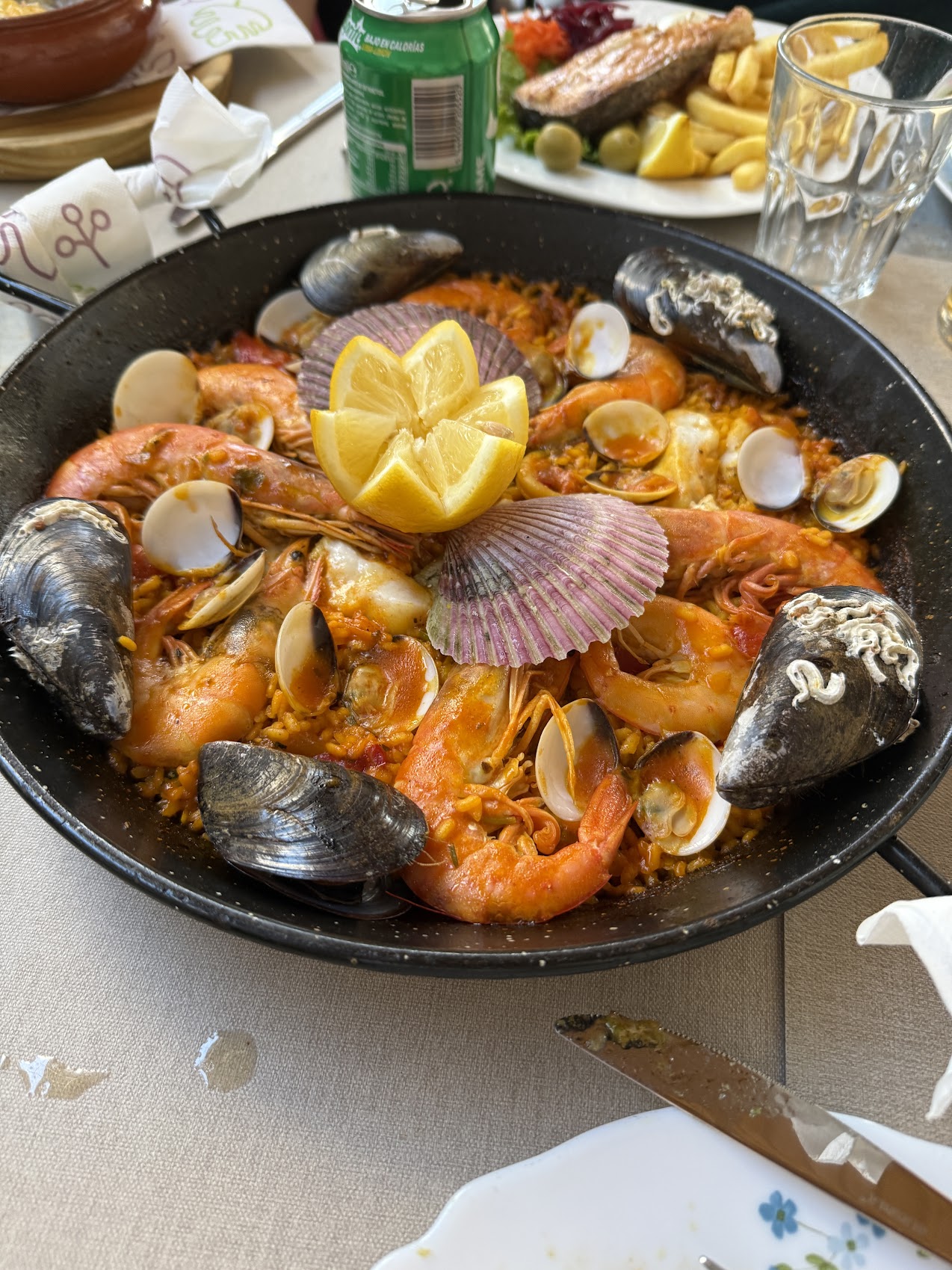
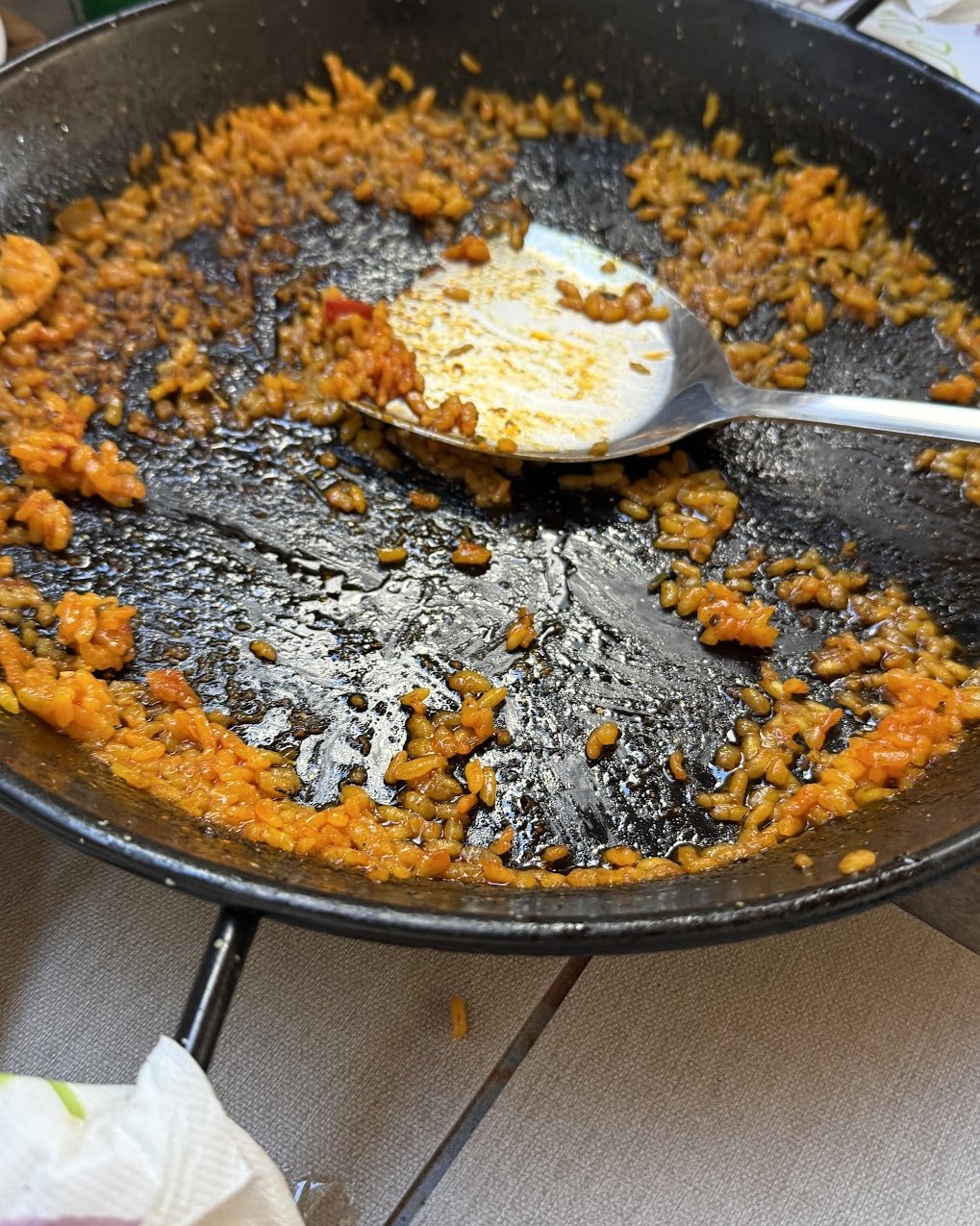
This was the one that felt most like eating with locals. Family-run, small, loud in a good way. The paella was cooked to order (40-minute wait, worth it) with proper crustiness on the bottom. We shared that with Canarian tapas: wrinkled potatoes with mojo sauce, padron peppers, garlic prawns. Seemor called it "standout paella" and warned about their strict reservation policy. We booked ahead.
Night 4: Tapitas La Caleta
Seemor grade: B+. Google rating: 4.7.
Good tapas, right location, easy to get into. It fit what we needed that night: something casual and close. It just wasn't in the same league as El Tejado. What's interesting is that Google gives Tapitas a 4.7 (higher than Restaurant 88's 4.6, which was clearly the better meal). Seemor graded them B+ and A- respectively, which matched our experience. Tapitas has 781 five-star reviews from happy tourists, which is great, but it doesn't tell you it's a tier below El Tejado. The grades did.
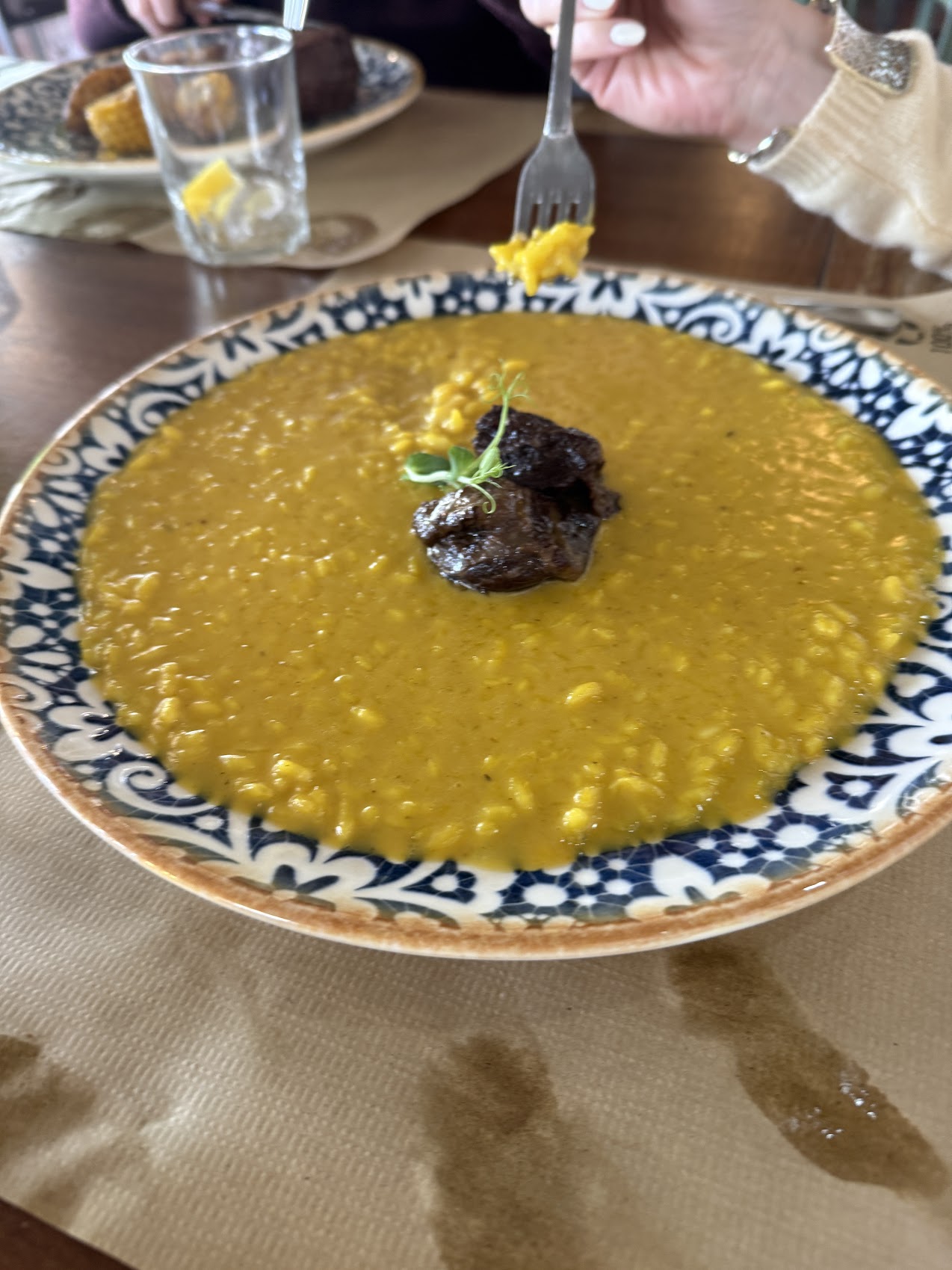
Night 5: Zena Italian Restaurant
Seemor grade: A-. Google rating: 4.7.
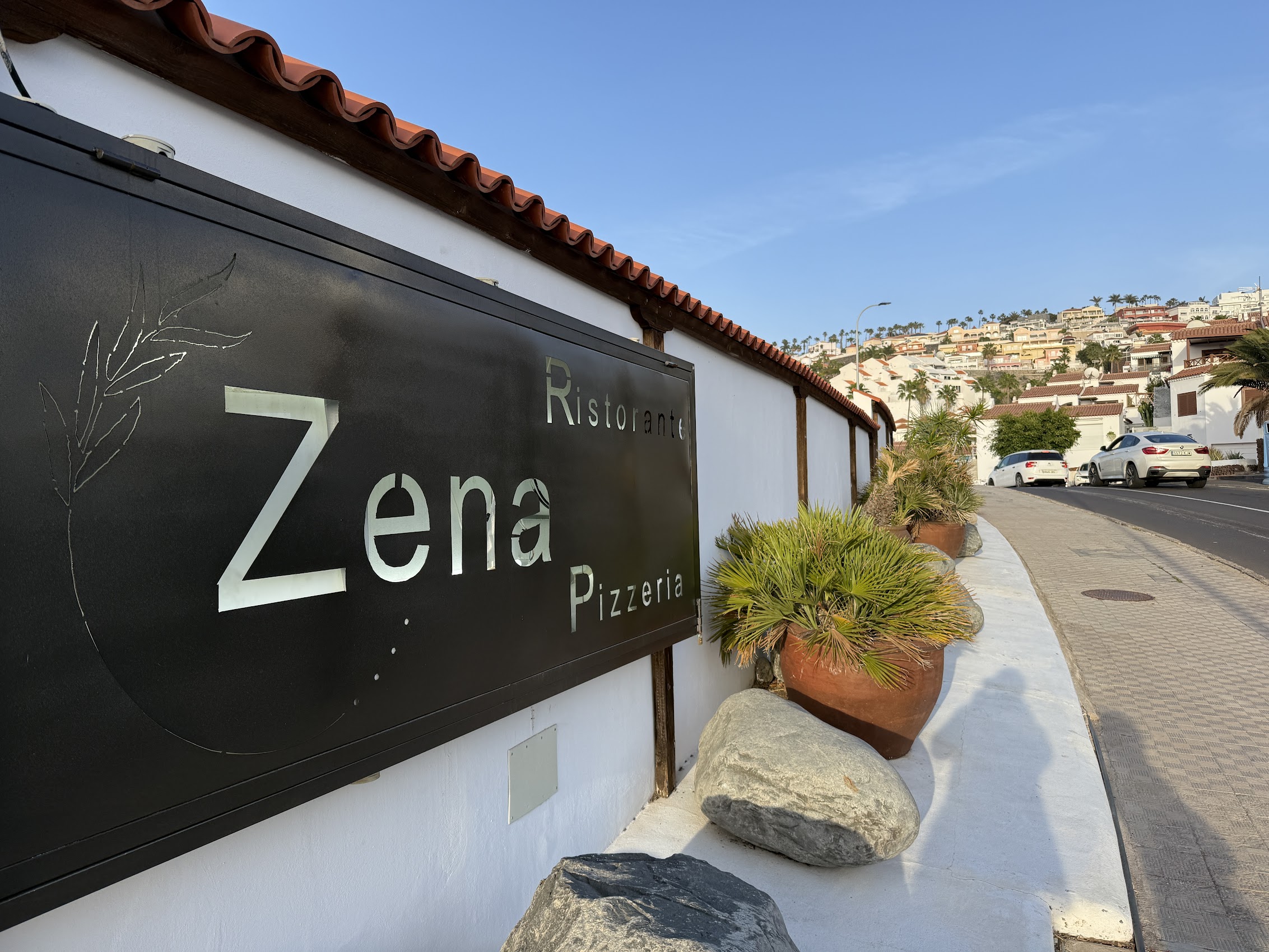
This was the find. Zena is up in the hills above Costa Adeje, well outside the normal tourist zone. We wouldn't have found it by walking around. We probably wouldn't have found it on Google Maps, because it doesn't stand out in a sea of 4.7-rated restaurants.
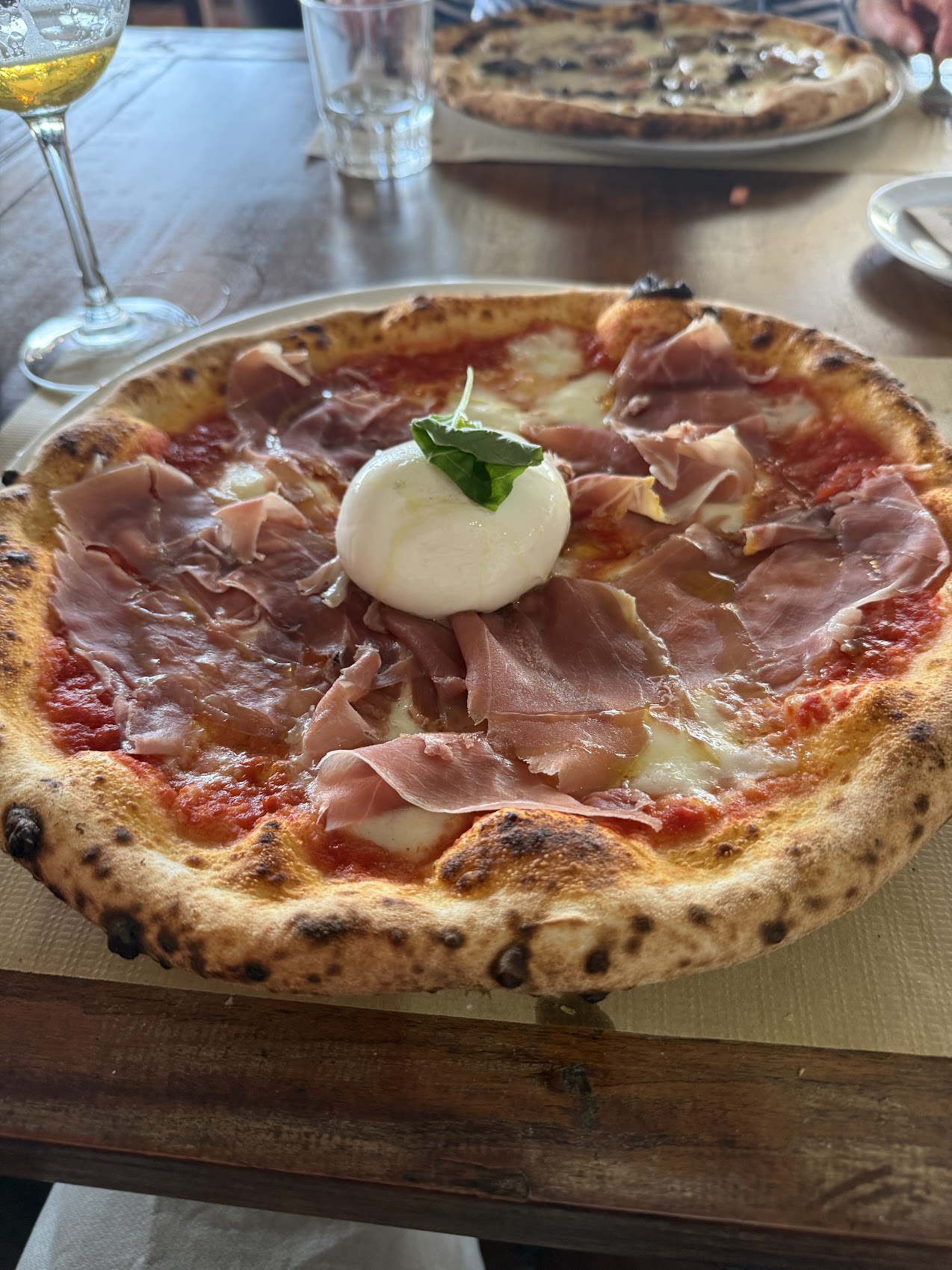
When I was browsing restaurants in the area, Seemor had flagged several nearby places with authenticity concerns. Tourist-oriented menus, inconsistent quality, review patterns that suggested inflated ratings. Zena stood out because it didn't have any of those flags. Wood-fired pizzas, fresh seafood pastas, sunset views from a terrace that felt like someone's back garden. It was better than several of our regular Italian spots in London, which is not something I expected to say about a restaurant in Tenerife.
Why this worked so well
Three things made these dinners work.
First, the grades. All five restaurants had Google ratings between 4.5 and 4.7. If I'd sorted by stars, they'd all look the same. Seemor's letter grades (three A-minuses and two B-pluses) created separation where the star ratings couldn't. And the grades matched our experience. Night 4 was the weakest dinner, and it was one of the two B-pluses.
Second, the alternatives. Every restaurant page shows nearby options that are cheaper, quieter, have better food scores, or serve a different cuisine. I didn't write detailed prompts or fill out preference forms. I just picked a starting point, opened the detail page, and clicked through alternatives. Five minutes of clicking around and you've seen 8 or 10 options with enough context to choose. It's the fastest way to go from "I don't know this area at all" to "I know exactly where we're eating."
Third, the authenticity flags. Seemor flags restaurants where the review patterns don't add up. In our area of Tenerife, about 1 in 10 highly-rated restaurants got flagged. When I was browsing around Zena's neighborhood on Night 5, several nearby places had these flags. I skipped them. Zena didn't have any. That single signal probably saved us from at least one bad dinner, and it's the kind of thing that's completely invisible on Google Maps or TripAdvisor.
Five nights, five dinners, zero bad meals, and we never once felt ripped off. In Tenerife. That feels like a win.
Try it for your next trip: app.seemor.ai. We cover 18 cities across 7 countries, and if your destination isn't there yet, it probably will be soon.
See what Seemor finds for you
Honest grades, personal scores, and 35+ dimensions of quality across 12 cities.
Try Seemor free